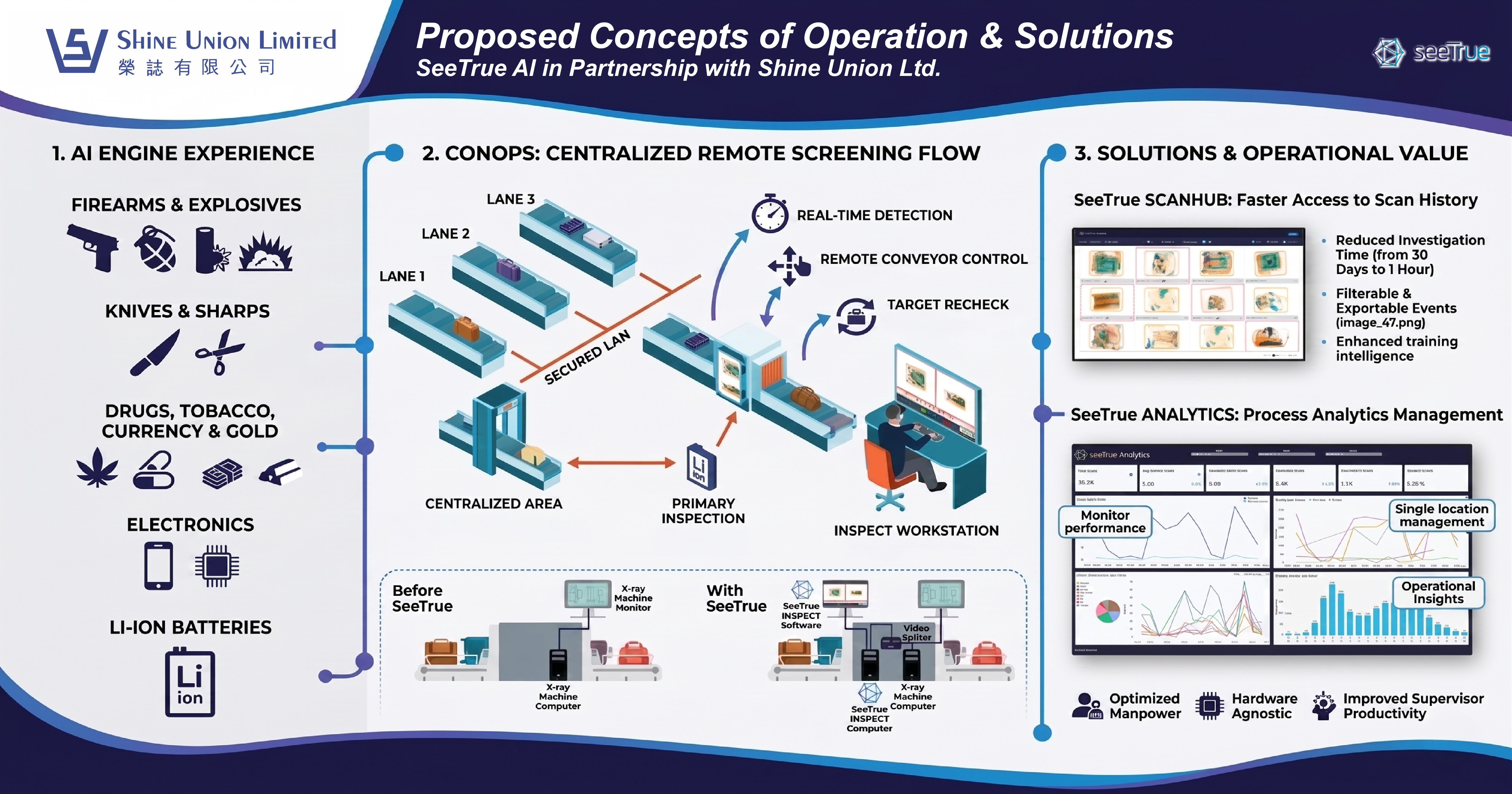
Security screening at high-throughput access points presents a persistent operational dilemma: maintaining stringent threat detection standards while keeping queues moving smoothly. Manual visual inspection of X-ray baggage images and parcel scans relies heavily on human operators who face cognitive fatigue, distraction, and visual clutter.
An Intelligent X-Ray Screening Analyzer solves this bottleneck by supercharging traditional dual-energy X-ray hardware with real-time Artificial Intelligence (AI) and deep-learning video analytics. By automatically identifying prohibited items in milliseconds, an intelligent analyzer serves as a second pair of eyes, drastically reducing human error and accelerating checkpoint throughput.
Rather than replacing existing X-ray equipment, an Intelligent X-Ray Screening Analyzer functions as a smart software and processing layer integrated into standard baggage, cargo, or parcel inspection systems.
Dual-Energy Material Discrimination: Differentiates between organic compounds (explosives, narcotics, plastics) and inorganic materials (metals, glass) using atomic density algorithms.
Deep-Learning Object Recognition: Trained on millions of annotated security scans, the AI instantly recognizes geometric profiles of firearms, knives, disassembled gun components, lithium batteries, pressurized cans, and improvised explosive devices (IEDs).
De-Cluttering & Occlusion Analysis: Uses advanced attention mechanisms to isolate overlapping items within densely packed luggage or parcels, highlighting concealed threats that the human eye might easily miss.
Real-Time Automated Alerts: Highlights suspicious items on the operator's display with clear bounding boxes and material color coding. If a high-risk threat is identified, the system can automatically trigger a conveyor belt stop.
| Operational Challenge | Traditional X-Ray Inspection | Intelligent X-Ray Screening Analyzer |
|---|---|---|
| Operator Fatigue | Detection accuracy drops significantly after 20–30 minutes of continuous monitoring. | Maintains 100% consistent algorithmic vigilance 24/7. |
| Processing Speed | Slow manual inspection causes bottlenecks at entry gates. | Millisecond AI threat detection keeps conveyor belts running at maximum speed. |
| False Positive Rates | High false alarm rate from everyday items (laptops, chargers, liquids). | Smart feature extraction isolates routine electronics from actual security risks. |
| Evolving Threat Types | Operators require constant re-training on new weapons or contraband. | Cloud/local software models update continuously to detect emerging threats (e.g., 3D-printed weapons). |
| Audit & Compliance | Paper logs or unorganized image archives. | Digital archiving of flagged threats, timestamped operator responses, and automated compliance reports. |
AI-assisted X-ray screening analyzers are deployed across critical sectors where speed and security are non-negotiable:
Government & Judicial Complexes: Courthouses, legislative buildings, and embassies that require strict entry controls for visitors, staff, and incoming mail.
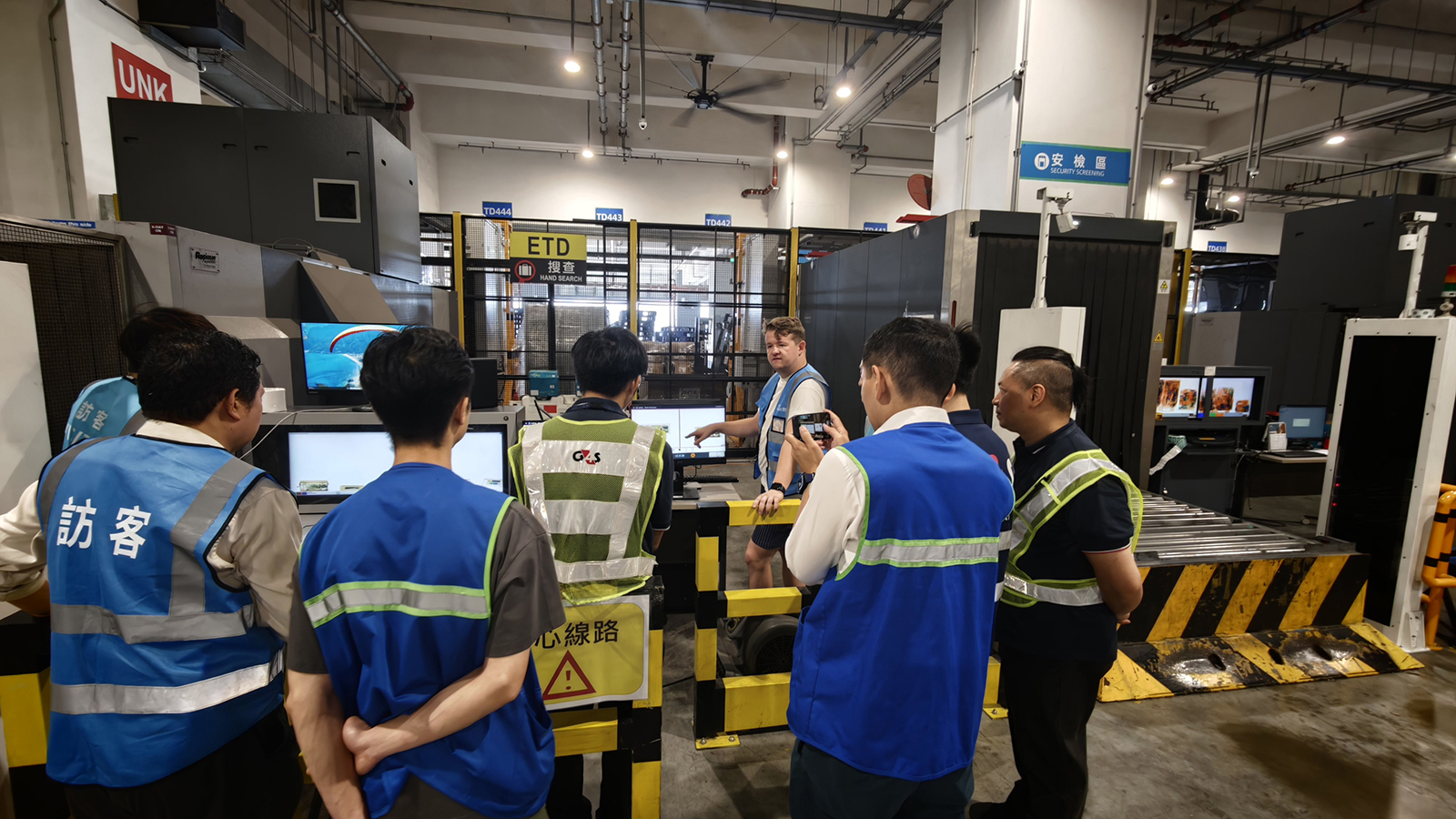
Transportation & Aviation Hubs: Airport baggage checkpoints, railway stations, and logistics hubs processing high volumes of passenger carry-ons and cargo.
Data Centers & High-Tech Facilities: Protecting critical infrastructure against industrial espionage, unauthorized electronics, or physical sabotage devices.
Correctional Facilities: Screening incoming mail, parcels, and personal belongings for concealed narcotics, mobile phones, and weapons.
Large Public Venues & Stadiums: Managing massive crowd influxes during major events while maintaining rapid entrance throughput.
Transform your existing security infrastructure into a high-speed, automated threat detection system. SeeTrue AI is a global leader in AI-based security screening software, leveraging advanced computer vision algorithms to detect prohibited items and threats in real-time. By seamlessly integrating into your current operations, SeeTrue reduces manual procedures, maximizes passenger throughput, and maintains uncompromised security standards.